
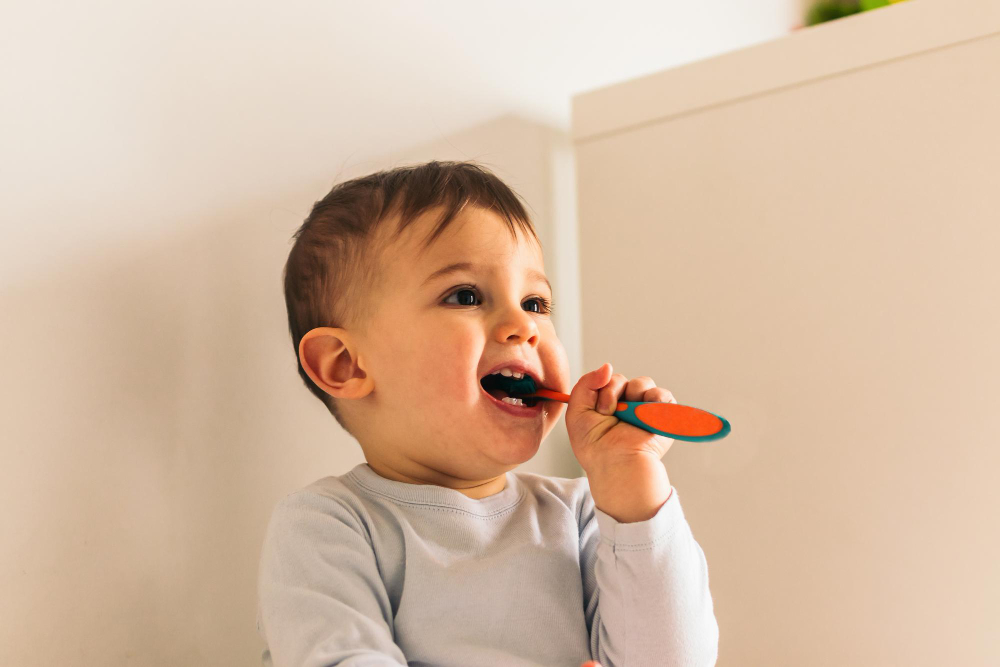
Why Oral Health Matters in Toddlers
Oral health in toddlers is very important. Healthy teeth help children eat, speak, and smile with confidence. Early care sets the stage for lifelong dental habits. In fact, the Centers for Disease Control and Prevention (CDC) says that tooth decay is one of the most common childhood diseases. Because baby teeth hold space for adult teeth, keeping them healthy is key. If you start good habits early, your child is more likely to have strong teeth as they grow.
Common Oral Health Issues in Toddlers
Toddlers can face several dental problems. Some of the most common issues include:
Although baby teeth will fall out, problems now can affect adult teeth later. For example, untreated cavities can cause pain and infections. Therefore, it is important to watch for signs of trouble.
Signs and Symptoms of Dental Problems in Young Children
It is not always easy to spot dental issues in toddlers. However, you can look for these signs:
If you notice any of these symptoms, visit a pediatric dentist soon. Early treatment can prevent bigger problems.
How to Maintain Good Oral Hygiene for Toddlers
Good oral hygiene for toddlers starts at home. Here is a simple step-by-step guide:
Because young children need help, always supervise brushing and flossing. This keeps their teeth clean and healthy.
Tips for Healthy Eating and Habits to Prevent Dental Issues
Healthy eating plays a big role in preventing cavities in young children. Try these toddler dental care tips:
As a result, these habits can lower the risk of tooth decay and keep your child’s smile bright.
When to Visit a Pediatric Dentist
Experts like the American Academy of Pediatric Dentistry suggest a first dental visit by age one. Even if your child has only a few teeth, early visits are important. During the visit, the dentist will check for early signs of decay and teach you how to care for your child’s teeth. If you notice pain, swelling, or other problems, schedule a visit right away. Regular check-ups help catch issues early and keep teeth healthy.
Preventive Measures and the Role of Parents/Caregivers
Parents and caregivers play a big role in early childhood dental health. Here are some preventive steps you can take:
Because children learn by watching, your actions matter. By starting early, you help your child build habits for lifelong smiles.
Conclusion: Start Early for Lifelong Smiles
In summary, oral health in toddlers is the foundation for a healthy future. Early care, healthy habits, and regular dental visits make a big difference. If you have questions or notice any dental problems, consult a pediatric dentist Dr. Chaitanya for personalized advice on your child’s oral health.