
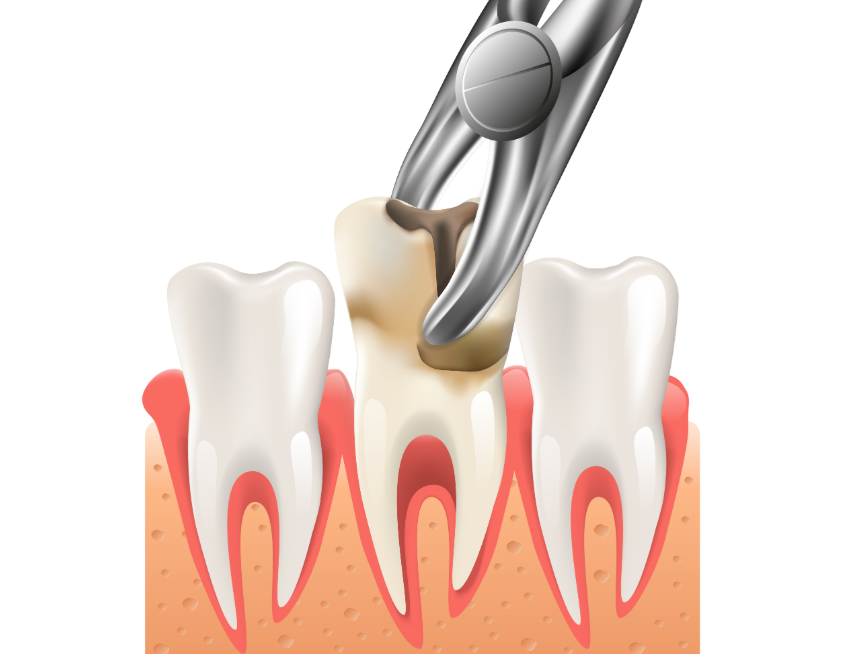
What Is Tooth Extraction?
Tooth extraction is the removal of a tooth from its place in the mouth. Dentists may suggest tooth extraction when a tooth is badly damaged or causes problems. Sometimes, keeping a tooth can harm your health. Therefore, removing it can help prevent pain and infection. Tooth extraction is a common dental procedure. In many cases, it is safe and quick. However, it is important to know when tooth removal is necessary. This helps you make the best choice for your dental health.
Common Reasons for Tooth Extraction
There are several reasons why a dentist may recommend removing a tooth. Often, tooth extraction is the last option. But sometimes, it is the best way to protect your mouth. Here are common reasons for tooth extraction:
According to the CDC, untreated dental problems can lead to serious health issues. So, timely tooth extraction may prevent further complications.
Signs and Symptoms Indicating Extraction May Be Needed
Sometimes, it is hard to know when you need a tooth pulled. However, certain signs can help you decide when to see a dentist. For example, you may notice:
In addition, if you have a broken tooth or a tooth that moves, you should seek dental care. Early treatment can sometimes save the tooth. But if these signs continue, tooth extraction may be necessary.
Diagnosis: How Dentists Decide on Extraction
Dentists use several steps to decide if tooth removal is needed. First, they ask about your symptoms and medical history. Next, they examine your mouth and teeth. Often, they take X-rays to see the roots and bone. This helps them find hidden problems. After reviewing all information, the dentist will discuss your options. Sometimes, they may suggest other treatments first. However, if the tooth cannot be saved, they will recommend extraction. According to the American Dental Association, dentists always try to save your natural teeth when possible.
The Tooth Extraction Procedure: What to Expect
Knowing what happens during a tooth extraction can ease your worries. Usually, the dentist numbs the area with local anesthesia. This means you will not feel pain during the procedure. Then, the dentist gently loosens the tooth and removes it. In some cases, they may need to make a small cut in the gum. For example, this is common with impacted wisdom teeth. The whole process often takes less than an hour. Afterward, the dentist will give you instructions to help you heal.
Recovery and Aftercare Tips
Proper care after tooth extraction helps you heal faster. Here are some helpful tooth extraction recovery tips:
If you notice heavy bleeding, fever, or severe pain, contact your dentist right away. Most people recover in a few days. However, following aftercare advice can prevent problems like infection or dry socket.
Preventing the Need for Tooth Extraction
Good dental habits can help you avoid tooth extraction. For instance, you should:
By following these steps, you can lower your risk of tooth decay and gum disease. As a result, you may never need a tooth removed.
In summary, tooth extraction is sometimes necessary to protect your health. But early care and good habits can help you keep your natural teeth. Consult Dr. Chaitanya for personalized advice on tooth extraction.