
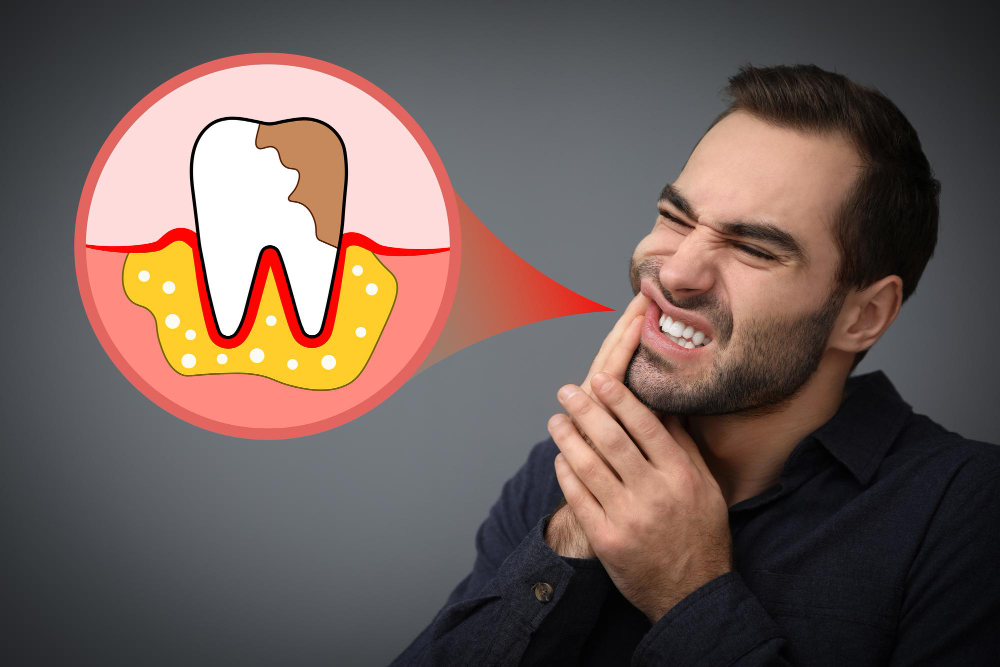
What Are Gum Diseases?
Gum diseases are problems that affect the tissues around your teeth. These tissues help keep your teeth in place. Most people know gum disease as gingivitis or periodontitis. While gingivitis is mild, periodontitis is more serious. Both can lead to pain, swelling, and even tooth loss. For this reason, understanding the causes of gum diseases is important for everyone.
Main Causes of Gum Diseases
Gum diseases start when bacteria build up on your teeth. This sticky film is called plaque. Over time, plaque hardens into tartar, which is harder to remove. As a result, your gums can become red, swollen, and bleed easily. But what leads to this buildup? Here are the main causes of gum diseases:
According to the CDC, these causes are common in both adults and children. Therefore, knowing them can help you protect your dental health and avoid gum problems.
Risk Factors That Increase Gum Disease
While anyone can get gum disease, some people have a higher risk. But what are these risk factors for gum disease? Let’s look at the most common ones:
Because these risk factors make it easier for gums to get infected, it is important to pay attention to them. For example, if you smoke or have diabetes, you should be extra careful with your dental health.
How to Reduce Your Risk
Thankfully, you can take steps to lower your risk of gum disease. First, brush your teeth twice a day with a soft toothbrush. Next, floss daily to remove food and plaque between teeth. In addition, visit your dentist for regular cleanings. If you smoke, try to quit. Eating a balanced diet also helps keep your gums healthy. Moreover, manage health problems like diabetes, as this can protect your gums. By following these steps, you can reduce your risk and keep your mouth healthy.
When to See a Dentist
Sometimes, gum problems need professional care. But how do you know when to see a dentist? Watch for these signs:
If you notice any of these symptoms, make an appointment with your dentist soon. Early treatment can stop gum disease from getting worse. Remember, regular check-ups help catch problems early and keep your dental health on track.
In summary, knowing the causes of gum diseases and the risk factors can help you protect your smile. For personalized advice on gum health, consult a Dr. Chaitanya.